Every few months, a new product promises to slow aging, rewind your "biological clock," or unlock a secret protocol used by the ultra-wealthy. Meanwhile, the habits with the deepest research behind them have barely changed in decades. This guide sorts what reliably supports a long, healthy life from what is mostly marketing.
What actually helps you live longer and stay healthier?
Researchers increasingly talk about healthspan, the years you stay active and independent, rather than lifespan alone. Across large bodies of research, the same handful of pillars keep appearing.
- Regular physical activity. Both aerobic exercise and muscle-strengthening work matter. Public health guidance for adults generally points to about 150 minutes a week of moderate activity plus two days of strength work.
- A mostly whole-food eating pattern. Vegetables, fruit, legumes, whole grains, nuts, fish, and less ultra-processed food. No single "superfood" is doing the heavy lifting.
- Enough sleep. Most adults do best with seven or more hours. Our guide on how much sleep you need covers the details.
- Not smoking. Quitting at any age is among the most powerful things a person can do for their health.
- Low or moderate alcohol. The safest amount is a moving target in the research, and less is generally better.
- Strong social ties. Loneliness and isolation are now treated as real health risks. See our piece on social connection and healthy aging.
- Blood pressure, cholesterol, and other screenings. Many of the conditions that shorten lives are quiet for years. Checking is how you catch them early.
None of this is exciting. That is precisely why it works: these habits are available to most people, cost little, and stack together.
Why is movement at the top of the list?
If you could bottle the effects of regular exercise, it would be the most prescribed treatment in medicine. Activity is linked to lower risks of heart disease, type 2 diabetes, some cancers, depression, and falls.
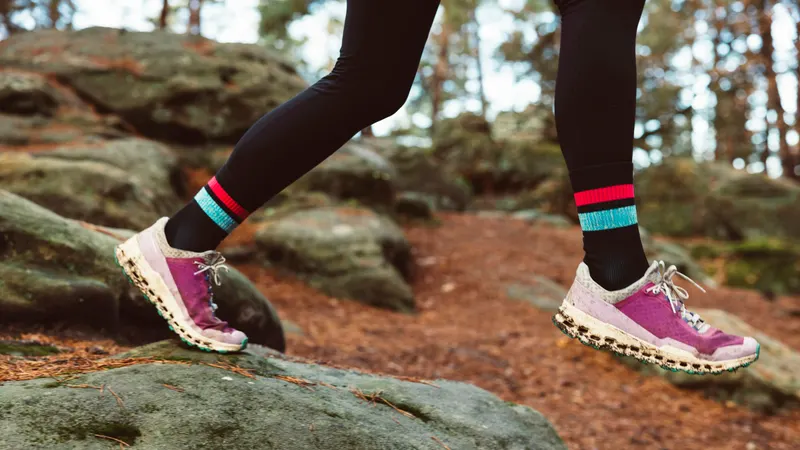
Two types deserve attention. Aerobic activity, from brisk walking to cycling, supports heart and metabolic health. Our look at daily steps and longevity explains how even modest walking is associated with better outcomes. Strength training protects muscle and bone, which decline with age unless you challenge them. If you are past midlife, strength training after 40 is a practical place to start.
The most reliable anti-aging tool is the one you will still be doing five years from now.
How do you tell real science from anti-aging hype?
Longevity is a magnet for overconfident claims. A few filters help.
Be wary of mouse studies
Many headline-grabbing "extends lifespan" findings come from animals such as mice or worms, or from cells in a dish. Those results are useful for generating ideas. They often do not carry over to people, and they rarely tell you a safe or effective dose for humans.
Treat biological-age tests with caution
Consumer tests that estimate your "biological age" from blood, saliva, or DNA methylation are popular. But the evidence that these scores are accurate for an individual, that they change meaningfully with a specific intervention, or that acting on them improves outcomes is limited. A number that moves is not the same as a longer life.
Be skeptical of anti-aging supplements
Supplements marketed for longevity are largely unproven in humans, and the supplement market is not reviewed for effectiveness the way prescription drugs are. If a product claims to reverse aging, that is a red flag rather than a selling point. If you have a diagnosed deficiency, a clinician can advise on what is worth taking.
Ask a few simple questions
- Was it tested in people, and over a long enough period?
- Did it measure outcomes that matter, such as heart attacks or mobility, rather than a lab number?
- Is the person selling it also the person reporting the results?
- Does it promise dramatic results with little effort?
What does a simple, prioritized checklist look like?
Trying to overhaul everything at once tends to fail. This ordering roughly follows the strength of the evidence and the ease of getting started.
- Stop smoking or vaping, if you do. Ask a clinician about support; cessation aids help.
- Move more, most days. Start with walking you enjoy, then add two short strength sessions a week.
- Protect your sleep. Keep a consistent schedule and a wind-down routine.
- Shift your plate. Add vegetables and legumes; cut back on sugary drinks and heavily processed snacks.
- Keep alcohol modest. Fewer drinks, more alcohol-free days.
- Invest in people. Schedule regular contact with friends, family, or a community group.
- Book the checkups. Blood pressure, cholesterol, blood sugar, and age-appropriate cancer screenings.
Choose one or two items this month. When they feel automatic, add another.
Why do the boring habits get overlooked?
Basic habits lack a story. A daily walk cannot be sold as a breakthrough, and a good night's sleep does not come with a discount code. Novelty is more marketable than consistency, so the loudest advice tends to be about the newest gadget, not the most reliable behavior.
There is also a psychological trap: complicated solutions feel more serious. An elaborate protocol with tracking, timing, and supplements can feel like real effort, while going for a walk feels too easy to matter. The evidence points the other way. Small habits, repeated for years, compound. If you are going to spend money or attention on longevity, spend it first on things like a comfortable pair of walking shoes, a blood pressure check, and time with people you care about.
Who should check with a clinician first?
Anyone with a chronic condition, a history of heart problems, pain, or who takes regular medication should talk with a clinician before making major changes to exercise, diet, or supplements. Older adults and people who have been inactive for a long time can absolutely benefit from activity, but a gradual build-up and personalized advice help keep it safe.
It is also worth remembering that genetics, income, environment, and access to care all shape health. Habits matter a great deal, but they are not a moral scorecard, and no lifestyle guarantees a particular outcome.
The bottom line
Longevity is built far more from ordinary habits than from exotic products. Move regularly, eat mostly whole foods, sleep enough, avoid smoking, keep alcohol modest, stay connected, and get your screenings done. Be skeptical of anything that promises to reverse aging, especially biological-age tests and supplements sold on the strength of animal studies. For more evidence-informed reading, browse our longevity coverage.