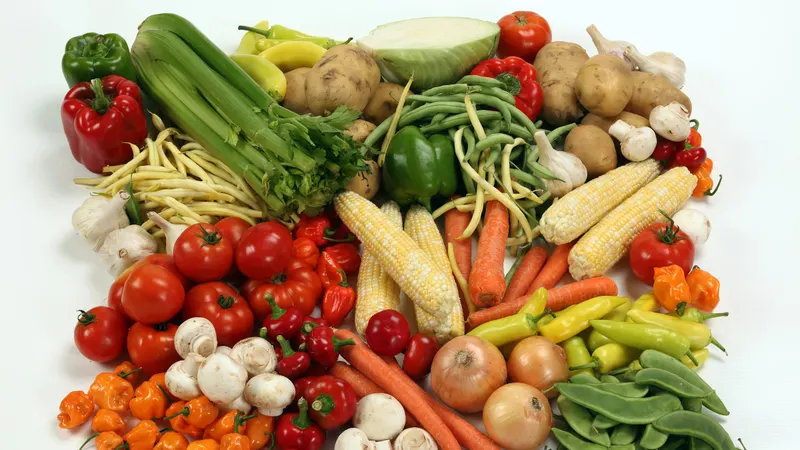
Plant-based eating covers a wide spectrum, from people who simply want more vegetables on the plate to committed vegans who avoid all animal products. Whichever end you land on, the fundamentals are the same: build meals around foods that are as close to their natural form as possible, and know which nutrients need a little extra planning.
This guide walks through the practical side, from protein and the nutrients that tend to be shortfalls to the difference between a lentil stew and a box of processed nuggets.
What does a well-planned plant-based diet look like?
Mainstream dietary guidance, including the Dietary Guidelines for Americans, recognizes that vegetarian-style patterns can be healthy when they include a good variety of foods. The emphasis is on the word "well-planned." A diet of pasta, chips and soda is technically vegan, but it is not what researchers mean when they discuss the benefits of plant-forward eating.
A useful template is a plate built from vegetables and fruit, whole grains, legumes, nuts and seeds, with healthy oils in modest amounts. Harvard's Healthy Eating Plate uses a similar picture: half produce, a quarter whole grains, a quarter healthy protein.
Variety matters more than perfection. Eating many different plants across the week helps cover a broad range of vitamins, minerals and fiber, and it keeps meals interesting enough that you will actually stick with them.
Where does the protein come from?
Protein is the most common worry, and it is usually the easiest to solve. Plenty of plant foods supply it:
- Lentils, chickpeas, black beans and other legumes
- Tofu, tempeh and edamame
- Nuts, seeds and nut butters
- Whole grains such as oats, quinoa and brown rice
- Peas, and to a smaller degree, many vegetables
Individual plant proteins can be lower in certain amino acids than animal proteins, but eating a mix of foods over the course of a day generally fills the gaps. You do not need to combine specific foods at the same meal. Active people, older adults and anyone eating very few calories may need to pay a bit more attention to total protein, and adding a legume or soy food to most meals is an easy way to do it.
Which nutrients need extra attention?
Cutting out food groups means a few nutrients deserve a closer look. Think of this as a short checklist rather than a reason to worry.
Vitamin B12
B12 is the one that stands out. It is made by microorganisms and found naturally in animal foods, and unfortified plant foods are not a dependable source. Common guidance for people who eat no animal products is to use a reliable source, meaning B12-fortified foods such as some plant milks, cereals and nutritional yeast, or a supplement. Because low B12 can develop quietly over time, it is sensible to ask a clinician whether your intake is adequate and whether a blood test makes sense for you.
Iron and zinc
Plants contain iron and zinc, but they are absorbed less efficiently than the forms in meat, partly because compounds in whole grains and legumes can bind minerals. Helpful habits include eating legumes, tofu, seeds and whole grains regularly, and pairing iron-rich plant foods with a vitamin C source such as peppers, citrus or tomatoes. Soaking, sprouting and fermenting can also help a little.
Omega-3 fats
Walnuts, flaxseed, chia and hemp seeds provide ALA, a plant omega-3. The body converts only a portion of it to the longer-chain forms found in fish. Some vegans choose an algae-based option, which is a conversation worth having with a clinician or dietitian.
Iodine
Iodine is easy to miss without dairy, seafood or iodized salt. Many people rely on iodized salt in modest amounts. Seaweed varies widely in iodine content, so it is not a predictable source.
Calcium
Leafy greens like kale and bok choy, calcium-set tofu and fortified plant milks all contribute. Check the label, since not every plant milk is fortified.
Whole plant foods versus ultra-processed vegan products
The grocery store now offers plant-based burgers, cheeses, nuggets and desserts. These can be convenient, and some are reasonable choices, but they sit on a spectrum. Many are high in sodium, refined starches or added fats, and they are not automatically healthier than the foods they imitate.
"Plant-based" describes what a food is made from, not how good it is for you.
A simple rule: let whole and minimally processed foods, like beans, vegetables, fruit, intact grains and nuts, make up most of what you eat. Treat processed vegan products as an occasional convenience and read the label for sodium, added sugar and the ingredient list. For more on balancing your plate, see our nutrition coverage and our explainer on macronutrient ratios and energy.
Easy first steps
You do not have to overhaul your kitchen overnight. Small, repeatable changes tend to last longer than dramatic ones.
- Start with one or two meals. Try a bean chili, a lentil soup or a tofu stir-fry a few nights a week.
- Build on what you already cook. Swap half the meat in a sauce for lentils or mushrooms.
- Stock the pantry. Canned beans, frozen vegetables, oats, nuts and whole-grain pasta make quick meals possible.
- Add before you subtract. Focus first on adding vegetables, legumes and whole grains rather than on what you are removing.
- Check in on nutrients. If you go fully vegan, plan your B12 source from day one.
People who are pregnant, breastfeeding, managing a medical condition or feeding young children should talk with a clinician or registered dietitian before making major changes, since needs for several nutrients are higher or more specific at those stages.
The bottom line
Plant-based eating can be nutritious, affordable and enjoyable when it is built on a variety of whole foods. The main practical points are to include a protein source at most meals, pay attention to B12, iron, zinc, omega-3s, iodine and calcium, and keep highly processed products in a supporting role. Start with a few meals you like, build from there, and let a healthcare professional help you fine-tune the details.